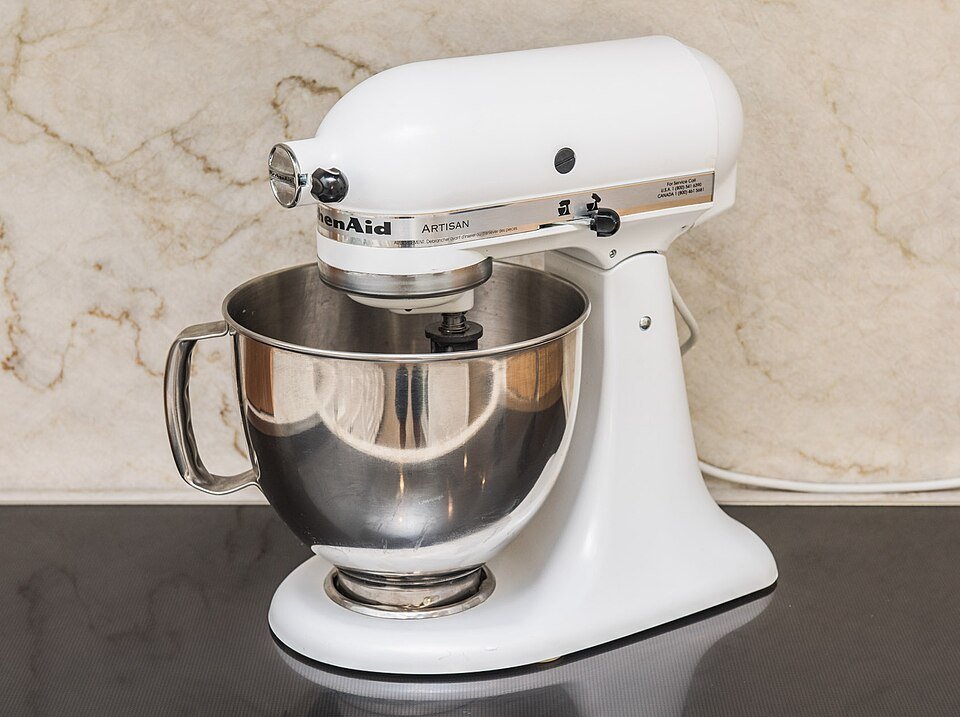
Stand mixer with paddle (K beater)
Foto di Your Best Digs · CC BY 2.0 · Wikimedia Commons
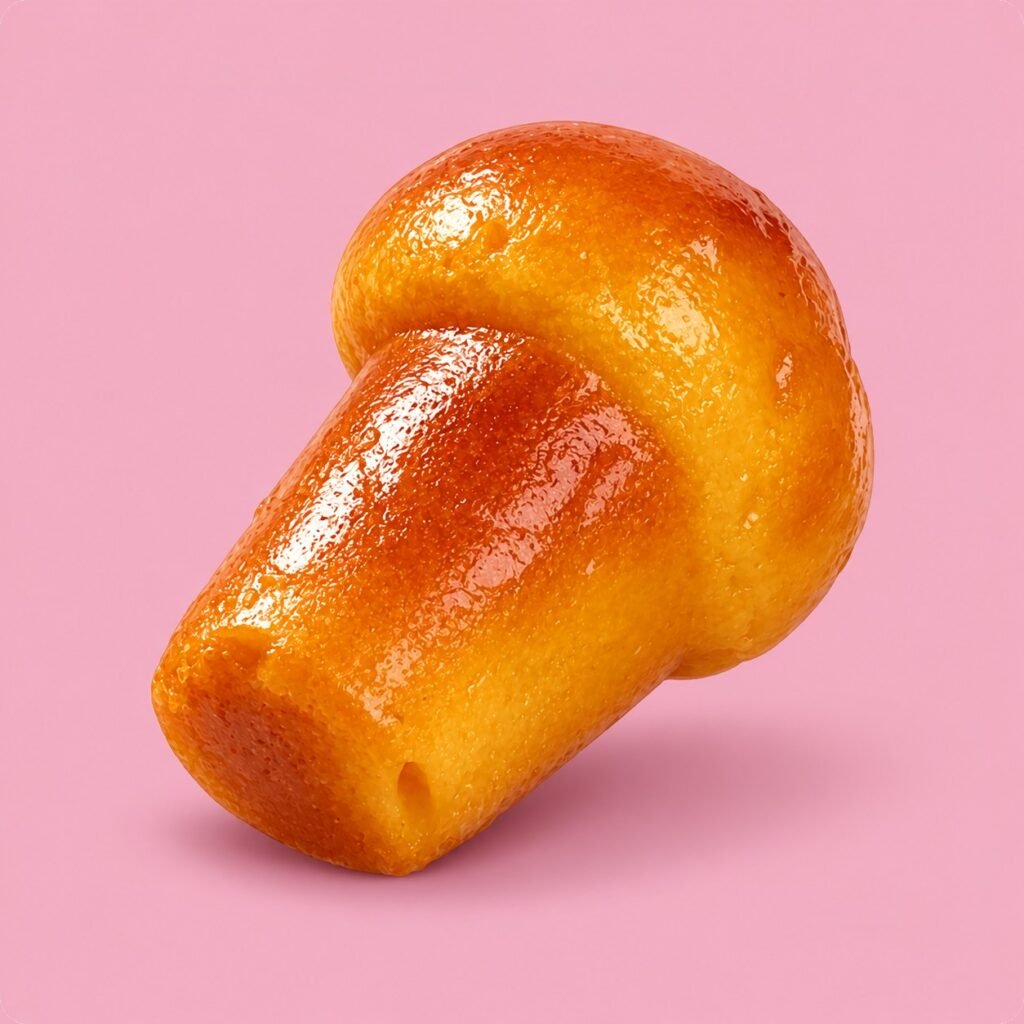
Tortine · Soft, springy and soaked right through
Neapolitan babas are small yeasted cakes with an extremely springy, spongy crumb, made from an egg-rich dough and then dipped in a fragrant rum and citrus syrup.
Mold used: 2 molds with 8 cavities, Ø 55 × h 60 mm
Lightly beat the eggs and split them into two parts, 220 g for the first mix and 80 g to add later. Bring the butter to a soft, creamy texture.
Fit the paddle (K beater) on the stand mixer. Put the flour, sugar and Caputo dry yeast in the bowl. Start on low speed, roughly 1–2 on a scale up to 10, and gradually add 220 g of beaten egg.
Raise the mixer to medium-low speed, roughly 2–3, and keep working the dough. It should start to come together, gain elasticity and slowly pull away from the sides of the bowl.
Add the salt and work in the remaining 80 g of egg in 3–4 additions. Wait until each addition is fully absorbed before pouring in the next.
Add the 83 g of soft butter in 4–5 additions, keeping the mixer on medium-low speed. Add the next piece only when the previous one is fully absorbed.
Keep kneading until the dough is glossy, smooth and very elastic. When you gently stretch a small piece between your fingers, it should form a thin film without tearing straight away.
Cover the bowl and let the dough rise at 26–28 °C until it has almost doubled. It will take roughly 60–90 minutes.
Carefully butter the 16 cavities. With lightly buttered hands or a piping bag, put about 44–45 g of dough in each cavity.
Gently cover the molds and let them rise at 26–28 °C until the dough reaches the rim of the cavities and forms a small dome.
Bake in a preheated conventional oven (no fan) at 175–180 °C for about 20–25 minutes, until the babas are puffed up and evenly deep golden.
Gently unmold the babas and let them cool completely on a wire rack. For the best result, bake them the day before and let them rest until it’s time to soak them.
Put the water, sugar and lemon and orange zest in a pot. Bring to the boil, stirring until the sugar has fully dissolved, then let it simmer briefly.
Turn off the heat, remove the zest and let the syrup cool to about 40 °C. Then add 220–240 ml of dark rum and stir.
Dip the completely cool babas in the warm syrup. Turn them several times and let them soak until they are soft, heavy and evenly soaked right to the centre.
Gently lift each baba, press very lightly to remove only the excess syrup and place it on a wire rack or in a container.
What I used
The exact reference images, so there is no “wait, which one should I buy?” moment.
Foto di Your Best Digs · CC BY 2.0 · Wikimedia Commons
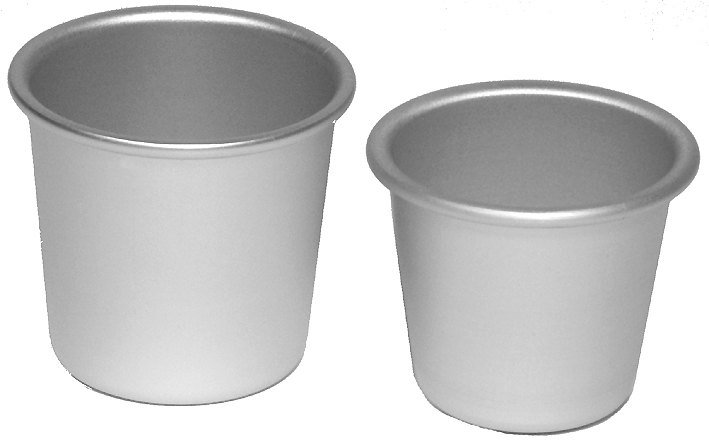
Foto di Cooks & Kitchens · CC BY 2.0 · Wikimedia Commons
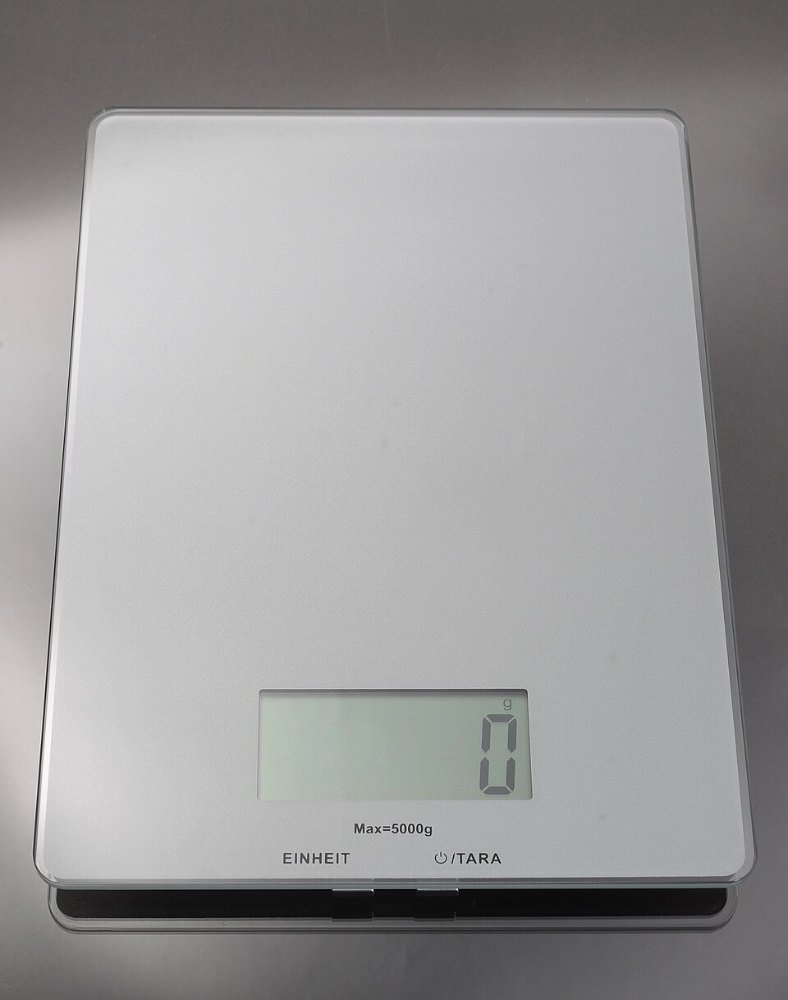
Foto di smial · FAL · Wikimedia Commons
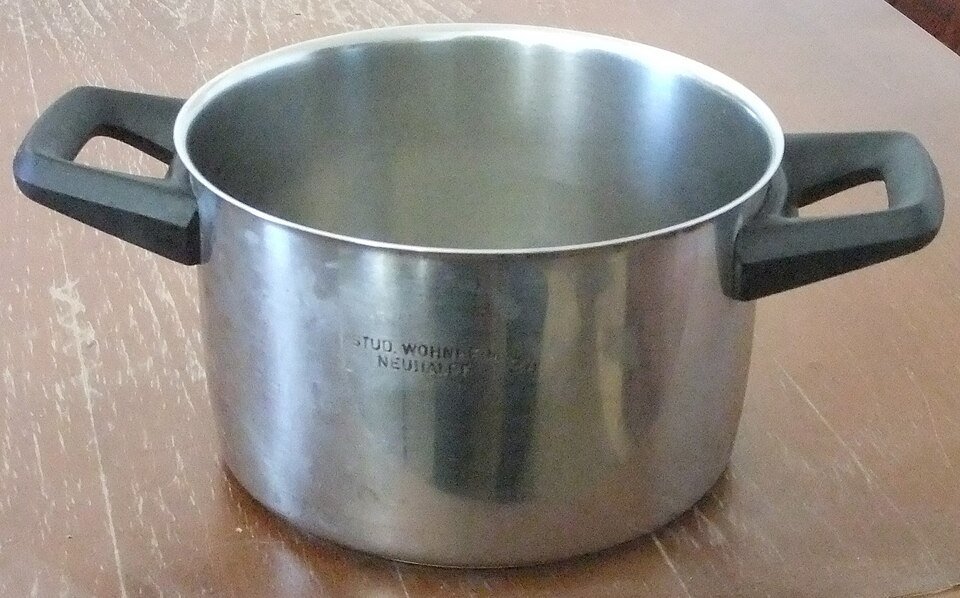
Foto di Mewa767 · CC BY-SA 3.0 · Wikimedia Commons
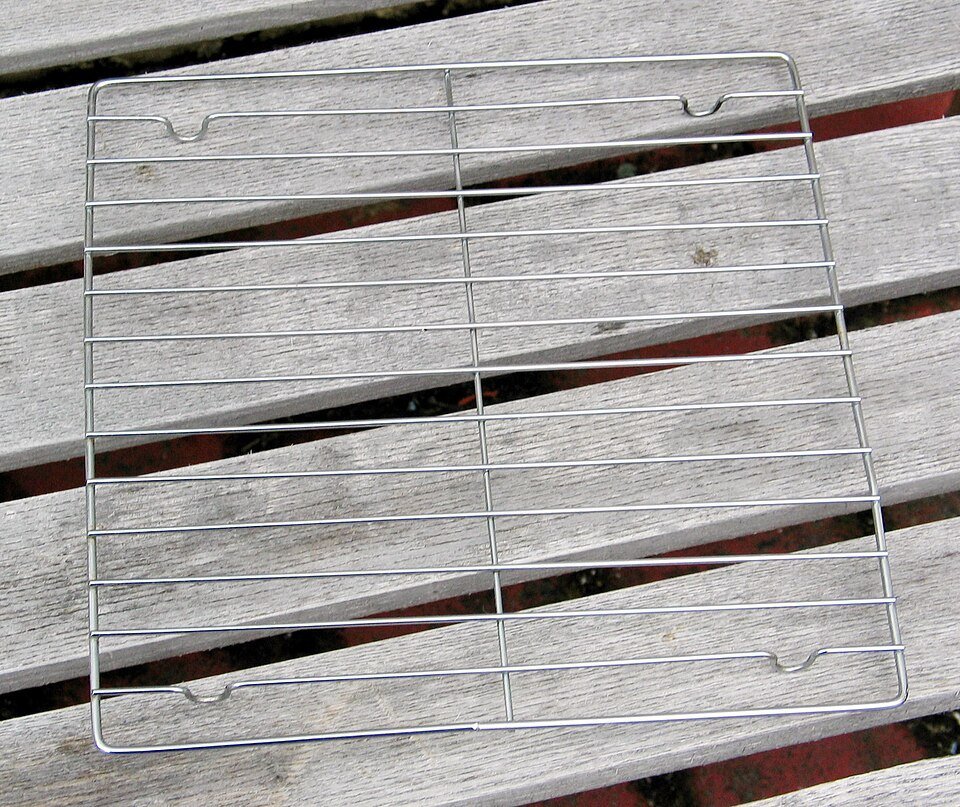
Foto di Donovan Govan. · CC BY-SA 3.0 · Wikimedia Commons
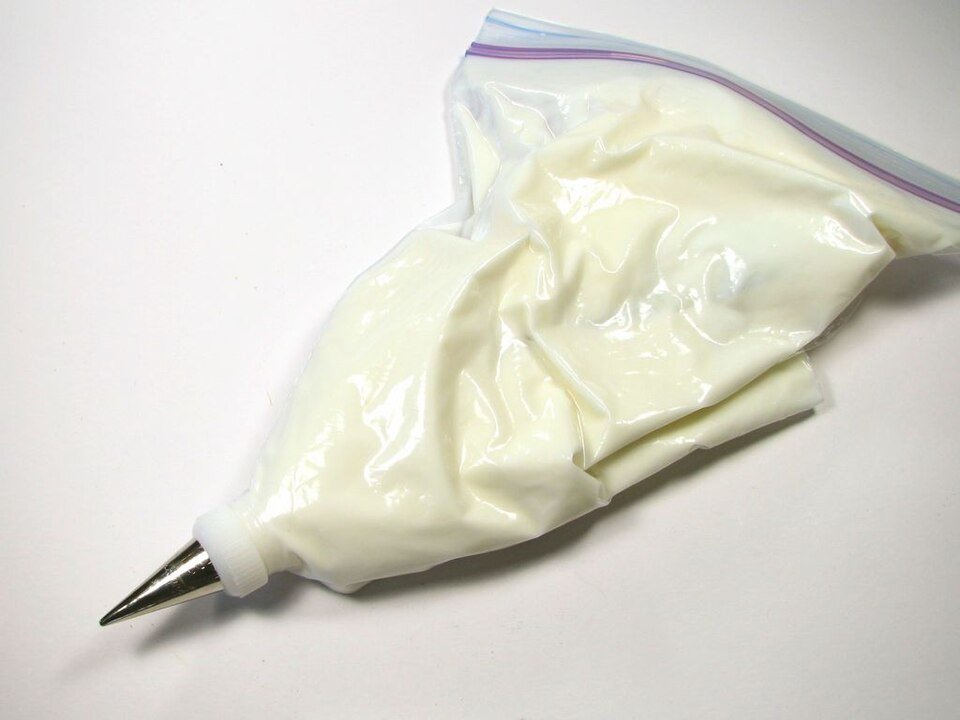
Foto di oskay · CC BY 2.0 · Wikimedia Commons
Sofi’s tips
01Don’t add flour even if the dough looks very soft or almost creamy.
02Add the eggs and butter gradually, always waiting until they are fully absorbed.
03Speeds 1–2 and 2–3 are a guide for a stand mixer with a dial up to 10.
04The dough is ready when it is glossy, elastic and stretches into a thin film.
05Put 44–45 g of dough in each cavity for even babas.
06For better soaking, bake the babas the day before and soak them the next day.
07The syrup should be warm and the babas completely cool.
08Add the rum only once the syrup has cooled to about 40 °C.
Keep cooking
 New
Soft, fragrant rose cake made of twelve brioche swirls with a creamy butter filling.
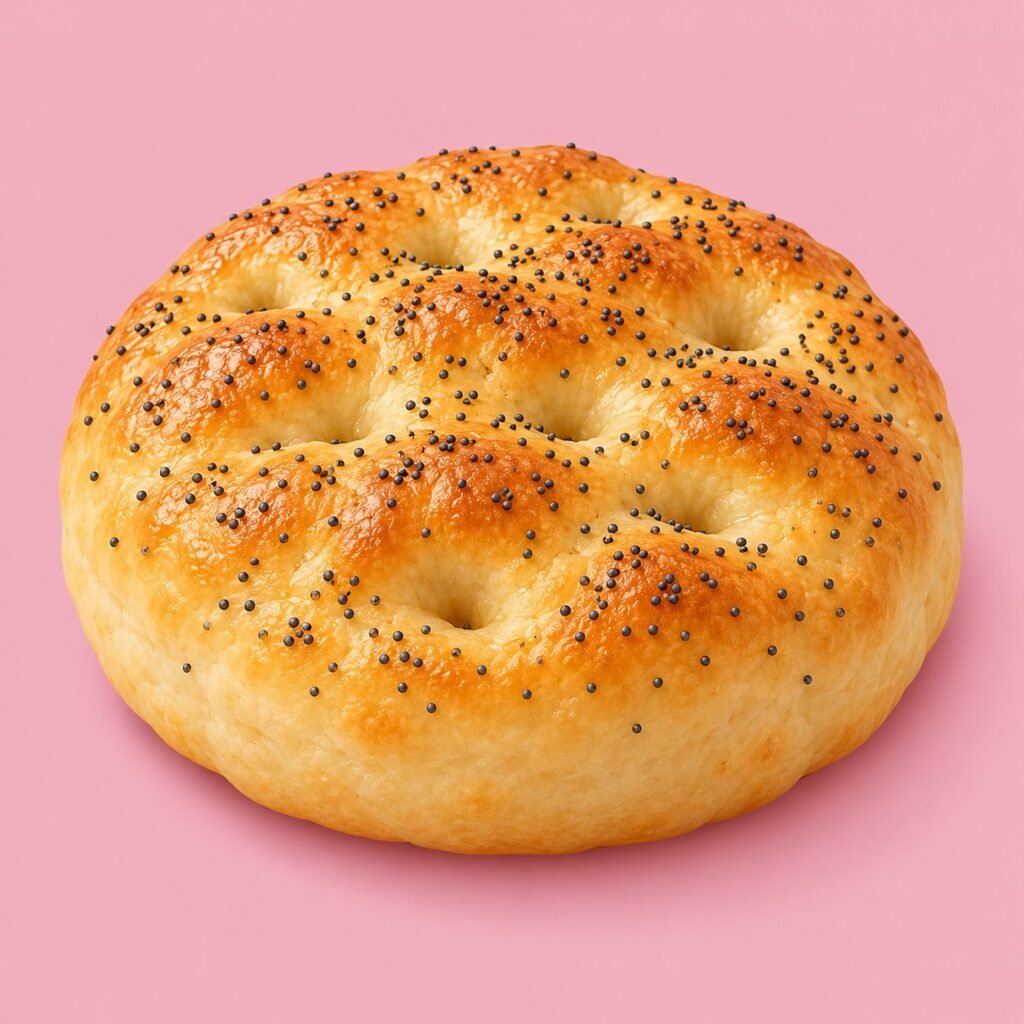
High-hydration dough for pan pizza and focaccia, soft and airy, made with W400 flour and a double rise.
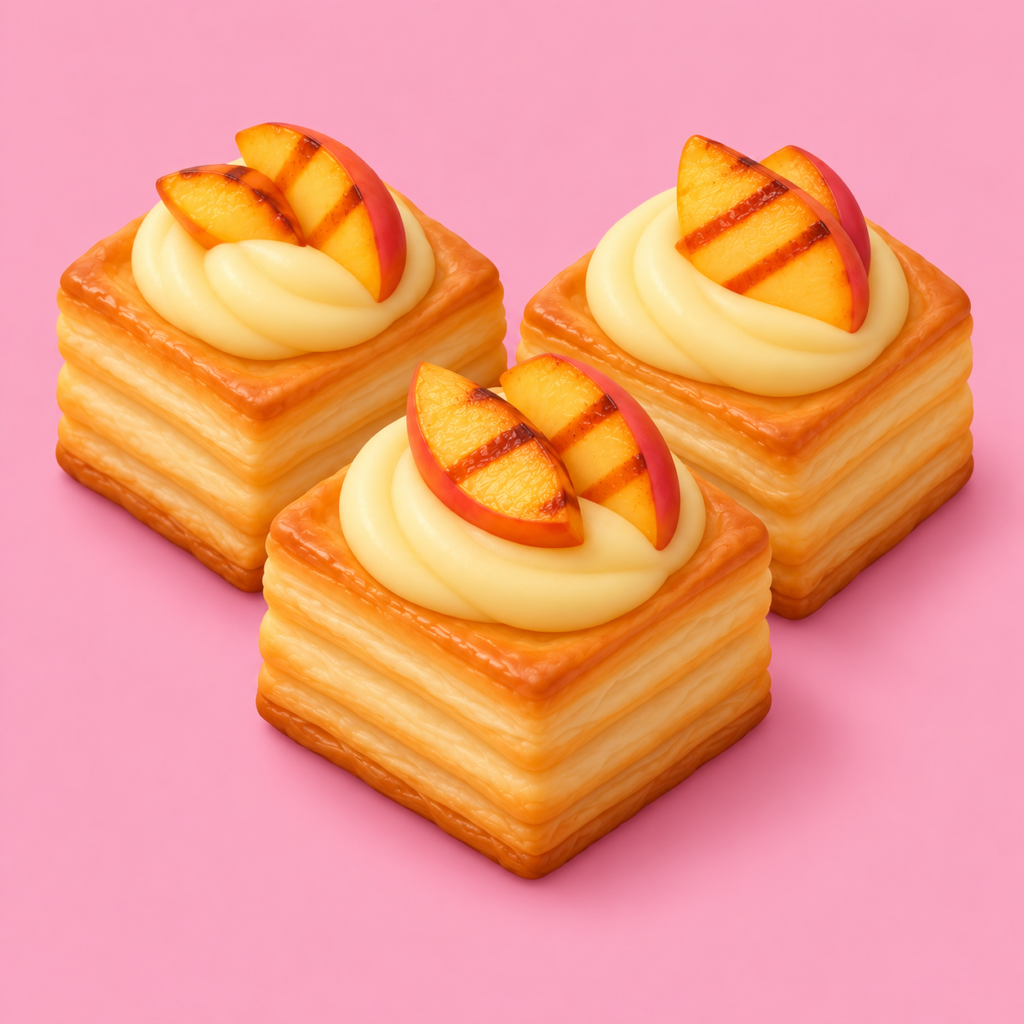
Homemade puff pastry with saffron cream, goat ricotta and grilled peaches.